
Understanding psychological triggers in casino gaming behavior
The Role of Emotion in Gambling
Emotion plays a significant role in gambling, influencing decisions and behavior in various ways. The thrill of winning can evoke feelings of joy and excitement, encouraging players to continue betting. Conversely, the fear of loss can lead to risky choices, as individuals may chase their losses in an attempt to regain a previous winning position. This emotional rollercoaster can create a cycle of gambling that is hard to break, as players often become emotionally invested in the outcomes. Casinos that accept Neosurf payments present opportunities for seamless transactions, including neosurf casino instant withdrawal options that enhance the excitement of winning.
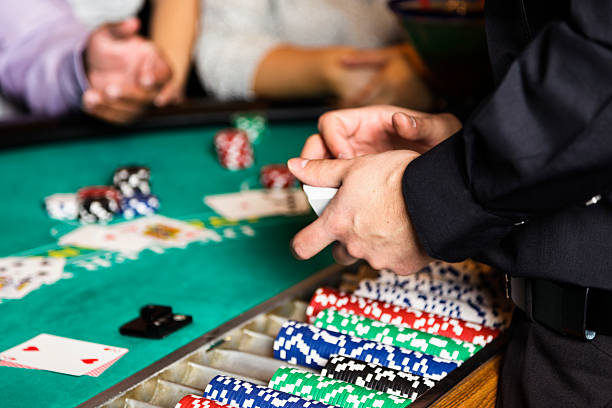
Moreover, the ambiance of a casino amplifies these emotional responses. Bright lights, vibrant sounds, and the overall atmosphere can create a euphoric experience. This sensory stimulation can make players feel more alive and engaged, often overshadowing their rational judgment. The thrill of the game paired with the sensory overload can lead to impulsive betting behavior, driving players to make decisions they may not consider in a calmer environment.
Understanding the emotional triggers in gambling can help individuals recognize when they are being influenced by their feelings. By acknowledging these emotions, players can better manage their gambling habits, set limits, and make more informed decisions. Acknowledging emotions in gambling does not eliminate the excitement but can enhance the overall experience by promoting responsible gaming practices.
The Influence of Cognitive Biases
Cognitive biases significantly affect how players perceive their chances of winning and losing in gambling. One common bias is the illusion of control, where players believe they can influence outcomes in games of chance, such as slots or roulette. This belief often leads to increased gambling behavior, as players may overestimate their skill or luck. Such misconceptions can result in a false sense of confidence, pushing individuals to wager more money than they initially intended.
Another prevalent bias is the gambler’s fallacy, which involves the belief that past outcomes will influence future results. For example, if a slot machine hasn’t paid out in several spins, players may think it is ‘due’ for a win. This flawed logic can lead to continued play, as individuals chase what they perceive as a forthcoming jackpot. Recognizing these cognitive biases can empower players to make rational choices rather than being driven by misconceptions.
Awareness of cognitive biases can be beneficial in developing strategies to counteract their effects. By educating themselves about these biases, players can cultivate a more objective view of their gaming behavior. Acknowledging that luck plays a significant role can reduce irrational betting patterns and promote a healthier relationship with gambling.
Social Influences on Gaming Behavior
Social influences can have a profound impact on gaming behavior, shaping how individuals approach gambling. Peer pressure often encourages players to bet more or engage in specific games, reinforcing certain behaviors that may not align with their initial intentions. The presence of friends or fellow gamblers can amplify excitement and lead to decisions driven by the group’s dynamics rather than personal judgment.
Moreover, social media plays a critical role in shaping perceptions of gambling. With the rise of online gaming platforms, players often share their experiences, wins, and losses on various social channels. This online presence can create a culture of gambling where individuals feel compelled to participate to gain social acceptance or recognition. The desire to fit in can push players to engage in more gambling activities, sometimes leading to risky behaviors that may have otherwise been avoided.
Understanding the social context of gambling is essential for developing healthier habits. Players can benefit from recognizing how their social circles influence their gaming decisions. By fostering an environment that promotes responsible gambling, individuals can mitigate the pressures that lead to excessive betting and make choices that align with their values and financial goals.
The Impact of Casino Design and Marketing
Casino design and marketing strategies are meticulously crafted to trigger specific psychological responses in players. The layout of a casino, with its labyrinthine paths, is designed to encourage exploration and prolong the gaming experience. Players often find it difficult to navigate out of the casino, leading them to stay longer and gamble more. This design strategy takes advantage of the human tendency to seek immediate gratification, compelling players to keep playing in hopes of a rewarding experience.
Marketing tactics, including promotional offers and loyalty programs, further entice players to engage with gambling platforms. Casinos often use bright colors and enticing graphics to grab attention and stimulate interest. The promise of bonuses and free spins creates a perception of value that can lead players to make impulsive decisions. These marketing techniques not only attract players but can also establish a sense of loyalty, making it harder for them to walk away, even when they face losses.
A critical understanding of these design and marketing tactics can aid players in making informed decisions. By recognizing how casinos manipulate psychological triggers, individuals can approach gambling with a more analytical mindset. This awareness can empower players to resist impulsive decisions and develop a responsible gambling strategy that aligns with their financial and emotional well-being.
Exploring Responsible Gambling Resources
Understanding psychological triggers in casino gaming behavior is essential for fostering a responsible gambling environment. Numerous resources are available to help individuals navigate their gaming experiences while maintaining control over their behaviors. Organizations focused on promoting responsible gambling often provide educational materials, workshops, and counseling services to assist those who may be struggling with gambling-related issues.
Websites and forums dedicated to discussing gambling strategies and experiences can also offer valuable insights. Players can share their stories and learn from one another, creating a supportive community that emphasizes the importance of responsible gaming. These resources not only provide practical advice but also create a safe space for players to discuss their challenges and successes openly.
By utilizing these resources, players can enhance their gaming experiences while minimizing the risks associated with gambling. Understanding psychological triggers allows individuals to make informed decisions and develop healthier relationships with gambling activities. A commitment to responsible gambling can lead to a more enjoyable and sustainable gaming experience, ensuring that it remains a fun pastime rather than a problematic behavior.
